
Insolvency Law in Hannover. Keeping room to act when it tightens.
We restructure companies before and within insolvency, protect the management against liability and enforce the rights of creditors.
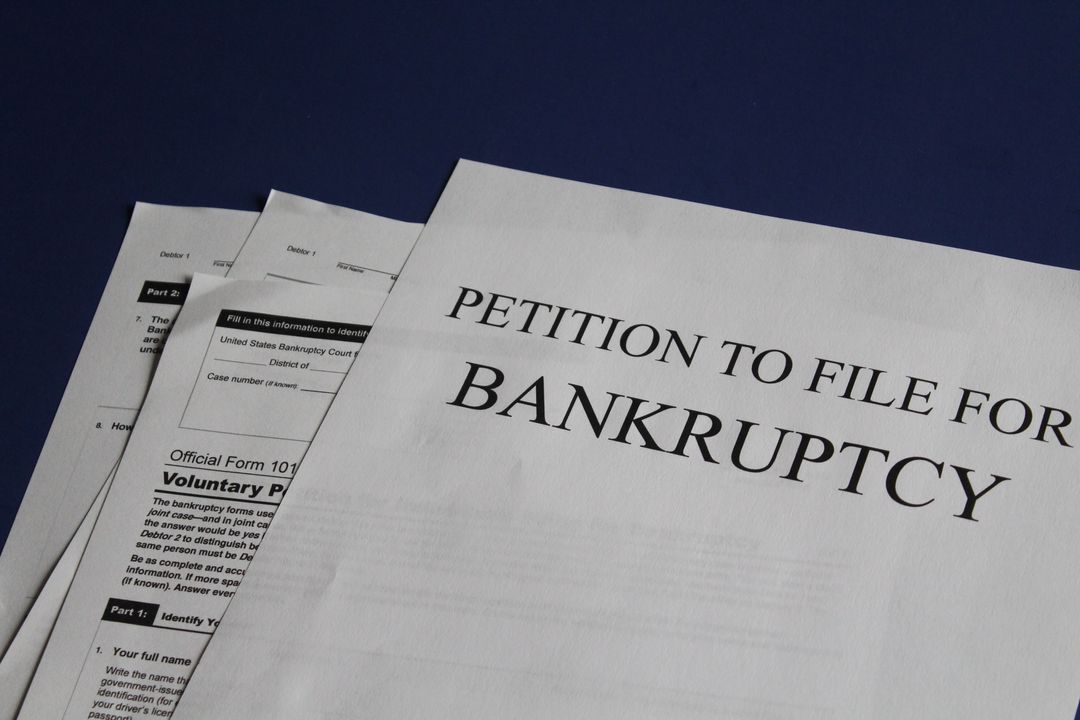
The duties of management once a crisis begins
With the onset of a crisis the duties of the management shift. The line between a permissible attempt to restructure and filing late is a fluid one, and it runs where insolvency sets in. Checking and documenting that continuously is what preserves the room to act.
- Continuous examination and documentation of inability to pay and of over-indebtedness
- Building an early warning system with liquidity planning, as evidence that the duties were met
- Advice on which payments remain permissible once insolvency has set in, and on liability for those that do not
- Allocating responsibility between the management, the shareholders and the supervisory bodies
- Allegations of filing late are defended by our practice area White-Collar Crime
Holding the confidence of banks and credit insurers
In a crisis, funders expect an analysis and workable measures, often evidenced by a restructuring opinion or an independent business review. Until that evidence exists, no facility is extended.
- Legal preparation and documentation of the restructuring opinion, also as an independent business review
- Chairing the discussions with banks, trade credit insurers and shareholders
- Standstill agreements, restructuring loans and the treatment of existing security
- Working with management consultants, auditors and tax advisers
- The existing credit structure and its amendment are handled by our practice area Banking Law
Restructuring before proceedings become necessary
While insolvency is only imminent, the restructuring framework remains open. A plan can adjust the claims of individual creditor classes even against a minority, without an administrator and without the publicity of insolvency proceedings.
- Assessing access to the restructuring framework and choosing the right moment
- Drawing up the restructuring plan, forming the classes and holding the vote
- Stabilisation orders and confirmation of the plan by the court
- Support through implementation, on request in an officer role
- So that insurance cover survives this phase, we work with our practice area Insurance Law
Keeping control and restructuring under protection
In self-administration the management stays in office and restructures under the supervision of a monitor. The procedure demands preparation: the court has to be able to see that continued trading is funded.
- Assessing the conditions for self-administration and for protective shield proceedings
- The self-administration plan, with a financial plan and a case for continued viability
- Restructuring concept and insolvency plan for the court and the creditors committee
- Communication with the insolvency court, the monitor and the principal creditors
- Continuation and special termination rights under leases are handled by our practice area Commercial Lease Law
Redundancies under the reliefs the proceedings give
Within proceedings, notice periods are shorter and operational changes come under easier conditions. Negotiations with the works council still take time, and they belong early in the timetable rather than at its end.
- Reconciliation of interests and social plan under the reliefs of the Insolvency Code
- Insolvency compensation and its pre-financing, to secure liquidity
- Transfer of undertakings under section 613a of the Civil Code on a sale of part of the business
- Payment of employee social security contributions and the liability attached to it
- The employment law implementation is led by our practice area Employment Law
Asset deals out of a crisis and out of proceedings
Where a company can no longer be restructured on its own, selling the business often preserves the healthy part. Time pressure is high, and the review has to cover the risks the proceedings bring with them.
- Structuring and running purchases and sales out of a crisis, including auction processes
- Legal due diligence focused on clawback and liability risks arising from the proceedings
- Purchase and transfer agreements, for buyers and for sellers
- Consent of the creditors committee and coordination with the administrator or monitor
- The corporate implementation is carried out by our practice area Corporate Law
Holding your position when a partner fails
The insolvency of a customer or supplier reaches live orders, obligations to deliver and unpaid invoices at once. Acting in the first days secures the goods; waiting leaves a dividend on the schedule of claims.
- Enforcing rights to separate and to preferential satisfaction, such as retention of title, security transfers and liens
- Filing claims within the period set in the opening order
- Representation in the creditors committee and in the creditors meeting
- Continuing or ending supply relationships, and payment terms during the petition period
- The supply and security terms themselves are drafted by our practice area Commercial Law
Resisting the administrator claims for repayment
Administrators reclaim payments made long before the proceedings. For the recipients this comes as a surprise, and the sums are substantial. Much can be resisted on the ground that there was no knowledge.
- Examining the ground relied on and the relevant periods under the Insolvency Code
- Defending the allegation of knowledge of the debtor inability to pay
- Cash transactions, payment arrangements and instalments as a defence
- Structuring payment terms in day-to-day business to reduce the exposure
- On construction projects we secure materials and works with our practice area Construction Law



Answers to the most important questions
Can’t find your question here? Please get in touch! We’ll usually get back to you within two working days.
When is insolvency regarded as imminent?
add
Where the company will probably not be able to meet its existing payment obligations as they fall due. A period of 24 months is normally taken as the reference. Imminent insolvency does not yet require a petition, but it opens access to the restructuring framework and to self-administration.
When must a German GmbH file for insolvency?
add
The management must file without culpable delay, and at the latest three weeks after becoming unable to pay and six weeks after becoming over-indebted. These periods are outer limits, not a grace period. Missing them risks personal liability and criminal liability for filing late.
What is the difference between the StaRUG and insolvency proceedings?
add
The StaRUG allows a restructuring before insolvency, while the company can still pay and only faces imminent insolvency. A restructuring plan can adjust the claims of individual creditor classes even against a dissenting minority. The business carries on without an administrator, and the process is not public to the same degree.
What is the difference between self-administration and ordinary proceedings?
add
In ordinary proceedings an administrator takes over the running of the company. In self-administration the management stays in office and restructures under the supervision of a monitor. That requires careful preparation, with a plan showing the court that continued trading is funded.
What is a restructuring opinion?
add
An examination of whether a company can be restored to lasting viability through specified measures. Banks and credit insurers often require one before they extend or grant facilities. In practice such opinions follow recognised auditing standards. We prepare the legal parts and conduct the negotiations with the lenders.
What part does the works council play in a restructuring?
add
Where the restructuring amounts to an operational change, such as substantial redundancies or the closure of sites, a reconciliation of interests must be negotiated with the works council and a social plan drawn up. Those negotiations take time, so they belong early in the timetable.
Do wages continue to be paid in an insolvency?
add
For up to three months before proceedings open, the Federal Employment Agency pays insolvency compensation at the level of net pay. It is often pre-financed so that staff are paid without interruption and the business keeps running. In self-administration it is one of the most important sources of liquidity.
How do I file a claim in insolvency proceedings?
add
In writing to the administrator, not to the court, within the period set in the opening order. The basis and the amount of the claim must be stated and supporting documents attached. Anyone holding retention of title or other security should assert it separately and early, because it can lead to preferential treatment.
For how long can an administrator claw back payments?
add
That depends on the ground relied on. Payments made in the last three months before the petition are particularly exposed. Where creditors were deliberately disadvantaged, the period reaches back up to four years if the payment discharged an existing debt, and otherwise up to ten. Many claims can be resisted on the ground that there was no knowledge.
How we work at activelaw
01
Your information
You explain your situation to us, and we’ll review your documents. We’ll provide you with an initial assessment of your case as soon as possible.
02
Our promise
We advise and represent you in all legal matters until your case has been successfully resolved.
03
Your opportunities
Our experts will advise you on your chances of success and the specific options available in your case.